What We Do

Services

Here's what we pour, repair, and finish for homeowners across the Inland Empire.

Home › Services

Everything we take on

Every job below is one we do ourselves across Fontana.

Concrete Driveways

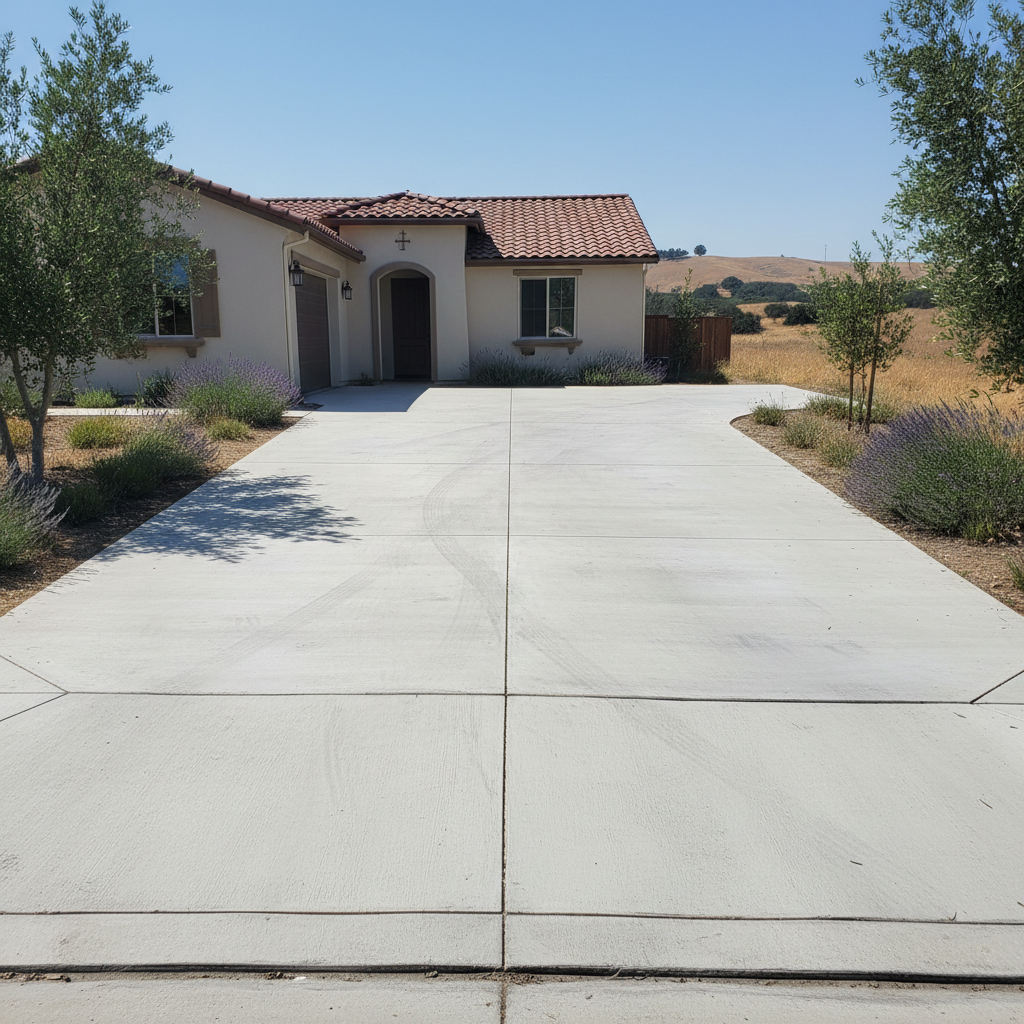
A driveway takes the weight of your vehicles every day, so we don't skimp on base or steel. We compact the sub-base, set rebar instead of wire mesh for anything that size, and pour at least 4 inches thick, more if you're parking a truck or RV on it. Control joints go in within a day of the pour so the slab cracks along the joint, not across your driveway.

Concrete Patios

Patios need a slight slope, usually a quarter inch per foot, so water runs off the slab instead of toward your foundation. We can pour a plain broom finish or go with a stamped or exposed aggregate look depending on your budget. Either way we form it flush with your door threshold and jointed to control cracking.

Stamped Concrete

Stamped concrete gets you the look of flagstone, slate, or brick for less than the cost of laying the real thing. We color and texture the slab while it's still plastic, then seal it once it's cured to protect the finish from fading and staining. It needs resealing every few years to keep looking right.

Concrete Slabs

Shed pads, garage slabs, RV pads, we pour them to the thickness and reinforcement the load actually calls for. A shed slab doesn't need what a garage slab needs. We'll tell you straight if you're overpaying for strength you don't need, or underbuilding for what you're putting on it.

Concrete Repair

Cracked, sunken, or spalling concrete usually points to a problem underneath, not just a surface issue. We cut out and replace sections that have failed instead of skim-coating over them, because a patch over bad base just cracks again in a year or two. Mudjacking or foam lifting can raise a sunken slab back to grade if the slab itself is still sound.

Concrete Walkways

A walkway gets poured narrower and thinner than a driveway, but it still needs a compacted base and proper joint spacing. We match the finish to your patio or driveway so the concrete around your house reads as one job instead of three.

Concrete Steps

Outdoor steps take a beating from foot traffic and whatever the weather does to them. We form and pour steps with a broom finish for grip, and tie them into the adjacent slab or foundation so they don't settle separately and pull away.

Exposed Aggregate Concrete

We wash back the top layer of cream to expose the rock in the mix, giving you a textured, slip-resistant surface that holds up well around pools. It costs more than a broom finish because of the extra labor, but it hides minor surface flaws better than plain gray concrete does.

Concrete Foundations

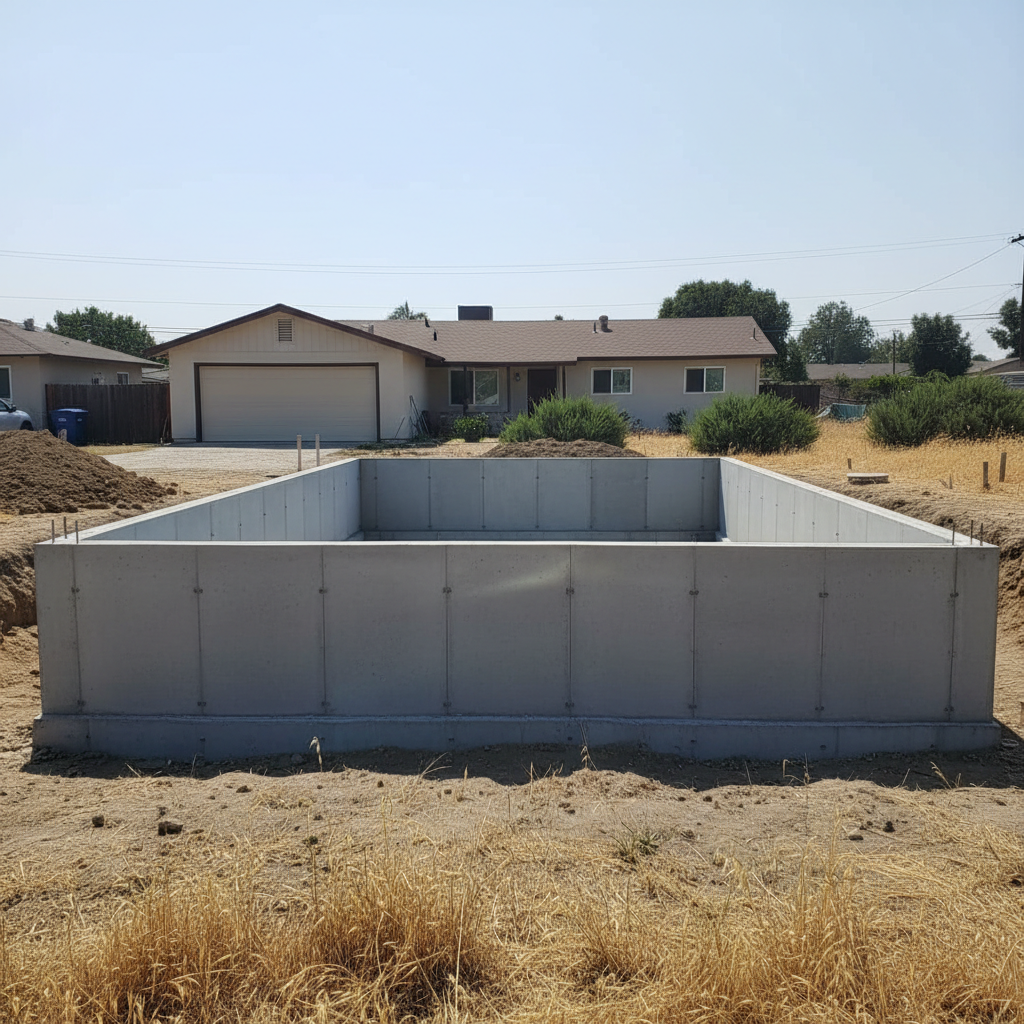
Footings and foundation slabs have to go to the depth your soil and structure require, which around here usually means digging past the top layer of expansive clay. We set forms, place rebar to spec, and pour in one continuous placement where possible so there's no cold joint weakening the foundation.

Retaining Walls

A retaining wall holds back soil, so it needs drainage behind it or the wall ends up fighting water pressure it was never built for. We install drain rock and perforated pipe behind block or poured walls before backfilling, so the wall does the job it's there for.

How It Works

Four steps, and no surprises in any of them.

01

We come and look

You tell us what you want doing, we look at what is actually there, and we ask the awkward questions early.

02

You get a price

In writing, itemised, free. If something might add cost later we flag it now rather than at the end.

03

We do the work

Same crew throughout. We cover your floors, keep the dust down and tidy up before we leave each day.

04

We walk it with you

You point out anything you are not happy with and we fix it before the invoice, not after.

Where We Work

All of this, across Fontana, CA

This is the service area we cover for driveways, patios, and repair work.

Fontana, CA
Riverside, CA
San Bernardino, CA
Moreno Valley, CA
Rancho Cucamonga, CA
Ontario, CA
Corona, CA
Pomona, CA
Rialto, CA
Upland, CA
Redlands, CA
Chino, CA
Common Questions

Things worth asking

Questions that come up once a project is actually underway.

Do I need a permit for a new driveway or patio?
Most cities require a permit for a new driveway, especially where it ties into a public street or sidewalk, but many patios and walkways on private property don't need one. Permit rules vary by city, so checking with the local building department before pouring is the safest move. A contractor who pulls permits when required protects the homeowner from having to tear out unpermitted work later.
How long does a typical concrete pour take?
Forming, pouring, and finishing a driveway or patio usually takes one to two days of active work depending on size. The slab needs about 24 to 48 hours before foot traffic is safe, and typically 5 to 7 days before it's strong enough for a vehicle. Full design strength takes around 28 days, though the slab is usable well before that.
Can a concrete job be adjusted to fit a specific budget?
Slab thickness, reinforcement type, and finish can all be adjusted to fit a budget, and those tradeoffs should be laid out clearly rather than cutting corners on base preparation to hit a number. Base compaction and proper joint spacing shouldn't be where cost gets cut, since those decide how long the slab lasts. Finish choice, plain broom versus stamped concrete, is usually the easiest place to adjust cost instead.
Do concrete contractors guarantee their work?
Reputable concrete contractors warranty their workmanship against issues like improper cracking or finish failure for a set period after the pour, separate from the concrete supplier's material warranty. Concrete will always develop some hairline cracking as it cures, which is normal and not a workmanship defect. A clear warranty should state what's covered and what counts as normal concrete behavior.
Who will I actually deal with during the job?
On most residential concrete jobs, the homeowner deals directly with the contractor or crew lead rather than being routed through several points of contact. Having one person answer questions about the pour schedule, finish, or any site issues keeps the job moving. It's reasonable to ask upfront who will be on site during forming and finishing.
What type of concrete mix and reinforcement gets used?
Residential flatwork typically uses a 3,000 to 4,000 PSI concrete mix, with rebar preferred over wire mesh for driveways and anything bearing vehicle weight, since mesh tends to sink to the bottom of the slab during the pour. Patios and walkways can often use a lighter mix and mesh reinforcement since they don't carry the same load. The right choice depends on what the slab will support and the soil underneath it.
Can I still use my driveway or patio during the project?
The existing driveway or patio is typically unusable from demolition through the curing period, which runs at least a week before vehicle traffic resumes. Most homeowners need an alternate place to park during that window. Walking on the new concrete is usually fine after a day or two, well before it's ready for a car.
What should I do to prepare my property before the pour?
Clearing the work area of vehicles, furniture, and sprinkler lines, and marking any buried irrigation or utility lines, helps the crew avoid damage during excavation. Trimming back plants near the forming area speeds up the job as well. The contractor typically handles old concrete demolition and haul-off as part of the project.
What if a problem turns up once the old concrete is removed?
Soft soil, old tree roots, or a buried pipe sometimes show up once an old slab is broken out, and that can change the scope of the job. A contractor should flag it immediately, explain what it means for base preparation, and get sign-off before proceeding rather than pouring over a problem. This comes up more often on older properties than new construction.
How should new concrete be cared for after it's poured?
New concrete should be kept damp during the first week of curing in hot weather, and kept free of vehicle traffic until it reaches sufficient strength, usually 5 to 7 days. Sealing a stamped or exposed aggregate finish every few years protects it from fading and staining. Avoiding de-icing salts and harsh chemical cleaners extends the life of any finish.

Not sure what you need?

Describe the problem and we will tell you what it probably is. No obligation.

Call (909) 637-4537